Flood Preparedness and SafetyFlooding is a common and dangerous natural disaster that can happen with little warning. The City of Huntsville Emergency Management team is dedicated to keeping our community safe and informed. Here are key points to help you prepare for and respond to floods: Understanding Flood RisksFloods can result from heavy rain, storm surges, overflowing rivers, or dam failures. Even if you don't live near water, flash floods can occur, posing a significant threat to life and property. Before a Flood- Know Your Risk: Determine if you live in a flood-prone area. You can check flood maps and local flood risk information.
- Create a Plan: Develop a family emergency plan. Know evacuation routes and establish a meeting point if separated.
- Build an Emergency Kit: Include essentials like water, food, medications, important documents, and a flashlight.
- Stay Informed: Sign up for local alerts and warnings. Monitor weather reports regularly.
During a Flood- Evacuate if Advised: Follow evacuation orders immediately. Do not wait until the last minute.
- Avoid Floodwaters: Do not walk, swim, or drive through floodwaters. Turn around, don’t drown.
- Move to Higher Ground: If you can’t evacuate, go to the highest level of your home. Do not climb into a closed attic; you may become trapped.
After a Flood- Stay Informed: Continue listening to weather reports and follow instructions from local authorities.
- Avoid Hazardous Areas: Keep away from floodwaters, which can be contaminated and electrically charged.
- Document Damage: Take photos of any damage for insurance claims.
- Clean Safely: Wear protective clothing and be aware of health risks when cleaning up.
Additional ResourcesFor more information or assistance, please contact the City of Huntsville Emergency Management Coordinator, Adam Winningham, at [Emergency Management Contact Information]. Stay safe and prepared, Huntsville! 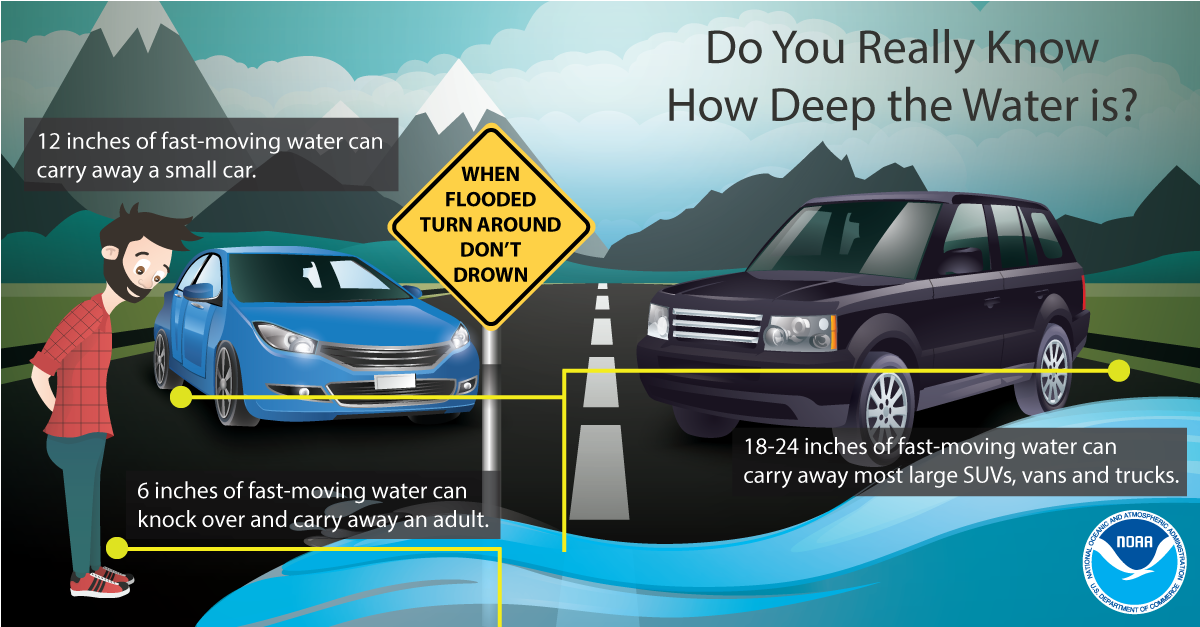
|